By Renova Hospitals
June 04, 2026
Cancer Screening Tests Every Indian Woman Over 35 Should Consider
Key Takeaways
- Breast and cervical cancer screenings are the highest priorities for women over 35.
- Mammograms may be recommended earlier for women with higher risk factors.
- Ovarian cancer screening is primarily recommended for high-risk women.
- Family history can significantly influence screening recommendations.
- Early detection often leads to more treatment options and better outcomes.
Cancer is often thought of as a disease that affects older adults. However, many cancers begin developing years before symptoms appear, making early detection one of the most powerful tools in modern healthcare.
For women in India, the age of 35 marks an important milestone for preventive health. While not every woman will need every test immediately, this is the age when conversations about regular cancer screening should become a routine part of healthcare.
For women in India, the age of 35 marks an important milestone for preventive health. While not every woman will need every test immediately, this is the age when conversations about regular cancer screening should become a routine part of healthcare.
Many cancers, including breast cancer, cervical cancer, colorectal cancer, and oral cancer—can be detected early through screening. In some cases, screening can even identify precancerous changes before cancer develops. Early detection often means simpler treatment, better outcomes, lower healthcare costs, and a higher chance of long-term survival.
What Are the 7 Most Important Cancer Screening Tests for Women Over 35?
While screening recommendations vary depending on age, family history, and personal risk factors, these are the seven most important cancer screening categories every Indian woman should know about.
1. Breast Cancer Screening
Includes clinical breast examinations, mammograms, and breast imaging when necessary.
2. Cervical Cancer Screening
Includes Pap smear testing and HPV screening to identify abnormal cervical cells before cancer develops.
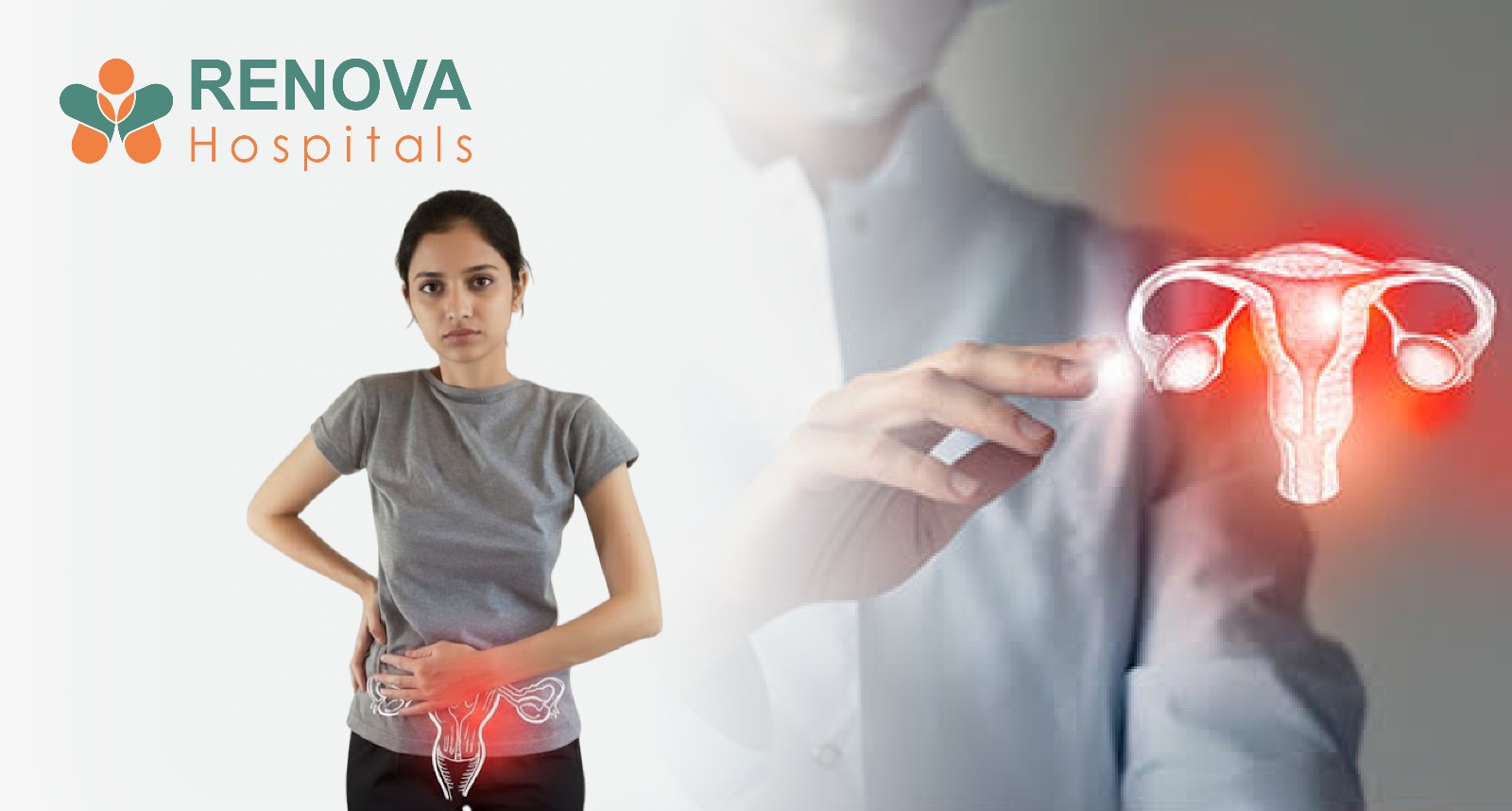
3. Ovarian Cancer Risk Assessment
Includes family history evaluation, genetic counselling, and specialised testing for high-risk women.
4. Colorectal Cancer Screening
Includes stool-based screening tests and colonoscopy for early detection of colorectal cancer.
5. Oral Cancer Screening
Includes examination of the mouth, tongue, gums, and oral tissues for suspicious changes.
6. Lung Cancer Screening
Includes low-dose CT scans for women with significant smoking or tobacco exposure history.
7. Genetic Cancer Risk Screening
Includes BRCA testing and hereditary cancer risk assessments for women with strong family histories.
Why Is Cancer Screening Important for Women Over 35?
Cancer screening aims to detect disease before symptoms appear. Many cancers remain silent during their early stages, meaning women may feel completely healthy while abnormal cells continue to grow.
Screening helps:
- Detect cancer at earlier stages
- Improve treatment success rates
- Reduce the need for aggressive treatments
- Identify precancerous conditions
- Improve long-term survival
- Reduce healthcare costs associated with advanced disease
According to the National Cancer Registry Programme (NCRP), breast cancer is now the most common cancer among Indian women. At the same time, cervical cancer remains one of the leading causes of cancer-related deaths despite being largely preventable through regular screening.
What Breast Cancer Screening Tests Should Women Over 35 Get?
Breast cancer screening is one of the most important preventive health measures for women over 35. Early detection can identify tumours before they become large enough to be felt, often significantly improving treatment options and survival outcomes.
Breast cancer incidence in India has increased steadily over the past two decades, particularly in urban populations. Factors such as delayed childbirth, lifestyle changes, obesity, hormonal influences, and family history may contribute to this rise.
Clinical Breast Examination (CBE)
A clinical breast examination is performed by a healthcare professional who checks for:
- Lumps
- Breast thickening
- Skin changes
- Nipple abnormalities
- Swelling under the arm
Women over 35 should discuss periodic clinical breast examinations with their healthcare provider.
Mammography
A mammogram is a specialised low-dose X-ray that can detect breast cancer before symptoms appear.
What Is the Mammogram Age Recommendation in India?
Many women begin routine mammography discussions around age 40. However, earlier screening may be recommended for women who have:
- Family history of breast cancer
- BRCA gene mutations
- Previous chest radiation exposure
- High-risk breast conditions
Symptoms That Should Never Be Ignored
- New breast lump
- Nipple discharge
- Breast skin dimpling
- Persistent breast pain
- Nipple inversion
- Changes in breast shape
According to the National Cancer Registry Programme (NCRP), breast cancer accounts for the largest proportion of cancers diagnosed among Indian women, particularly in urban areas.
When Should Indian Women Start Cervical Cancer Screening?
Cervical cancer is one of the few cancers that can often be prevented through screening. The disease usually develops slowly, allowing abnormal cervical cells to be identified and treated before cancer develops.
Most cervical cancers are associated with persistent infection by high-risk Human Papillomavirus (HPV).
Pap Smear Test
A Pap smear collects cells from the cervix to detect abnormal changes.
Benefits include:
- Detection of precancerous changes
- Early identification of cervical abnormalities
- Prevention of cervical cancer progression
HPV Testing
HPV testing identifies high-risk HPV strains associated with cervical cancer.
Many specialists now recommend HPV testing either alone or in combination with Pap smears for appropriate patients.
Who Is at Higher Risk?
- Persistent HPV infection
- Smoking
- Multiple sexual partners
- Immunosuppression
- Family history
Why Screening Matters
Unlike many cancers, cervical cancer often develops gradually over several years. Screening creates an opportunity to intervene before cancer forms.
The World Health Organization reports that cervical cancer remains one of the most common cancers among women in India, with many cases occurring in women who have never undergone routine screening.
Is Ovarian Cancer Screening Recommended for Women in India?
Ovarian cancer is often referred to as a "silent cancer" because its symptoms can be subtle and easily mistaken for digestive or urinary problems.
Unfortunately, there is currently no routine ovarian cancer screening test recommended for average-risk women.
Who May Need Ovarian Cancer Surveillance?
Women with:
- Family history of ovarian cancer
- Family history of breast cancer
- BRCA1 or BRCA2 mutations
- Lynch syndrome
may benefit from closer monitoring.
Tests Sometimes Used in High-Risk Women
- CA-125 blood test
- Transvaginal ultrasound
- Genetic counseling
- Risk assessment programs
Symptoms That Should Prompt Evaluation
- Persistent bloating
- Pelvic discomfort
- Early fullness while eating
- Frequent urination
- Abdominal swelling
Women experiencing persistent symptoms should seek medical evaluation rather than assuming the symptoms are digestive issues.
Do Women Need Colon Cancer Screening After 35?
Colorectal cancer is becoming increasingly common worldwide, including among younger adults.
While routine screening commonly begins around age 45 for average-risk individuals, women with certain risk factors may need earlier evaluation.
Who Should Consider Earlier Screening?
Women with:
- Family history of colorectal cancer
- Inflammatory bowel disease
- Lynch syndrome
- Personal history of polyps
Common Screening Methods
Stool-Based Tests
These tests detect hidden blood or abnormal DNA markers that may indicate colorectal disease.
Colonoscopy
Colonoscopy remains one of the most effective methods for detecting and removing precancerous polyps.
Symptoms That Require Attention
- Blood in stool
- Persistent constipation
- Chronic diarrhea
- Unexplained weight loss
- Iron deficiency anaemia
Why Is Oral Cancer Screening Important for Indian Women?
India carries one of the highest burdens of oral cancer globally. Although oral cancer is often associated with men, women who use tobacco products, smokeless tobacco, betel nut, or alcohol may also face increased risk.
What Happens During Oral Cancer Screening?
A healthcare professional examines:
- Tongue
- Lips
- Gums
- Cheeks
- Floor of the mouth
- Throat
Signs That Should Not Be Ignored
- Persistent mouth ulcers
- White patches
- Red patches
- Difficulty swallowing
- Unexplained oral pain
- Non-healing sores
Early oral cancer often causes few symptoms, making regular examinations important for high-risk individuals.
Who Should Consider Lung Cancer Screening?
Lung cancer remains one of the leading causes of cancer-related deaths worldwide. Women with significant smoking histories may benefit from screening before symptoms develop.
What Is Low-Dose CT Screening?
Low-dose CT (LDCT) scans use lower radiation levels than standard CT scans and can identify suspicious lung nodules at an early stage.
Women Who May Qualify
- Current smokers
- Former smokers
- Women with long-term tobacco exposure
- Individuals exposed to significant second-hand smoke
Warning Symptoms
- Persistent cough
- Shortness of breath
- Chest pain
- Unexplained weight loss
- Coughing up blood
Should Women Consider Genetic Testing for Cancer Risk?
Some women inherit genetic mutations that significantly increase their lifetime cancer risk.
Genetic testing does not diagnose cancer. Instead, it helps identify women who may benefit from earlier screening and preventive strategies.
BRCA1 and BRCA2 Testing
These genetic mutations are associated with increased risks of:
- Breast cancer
- Ovarian cancer
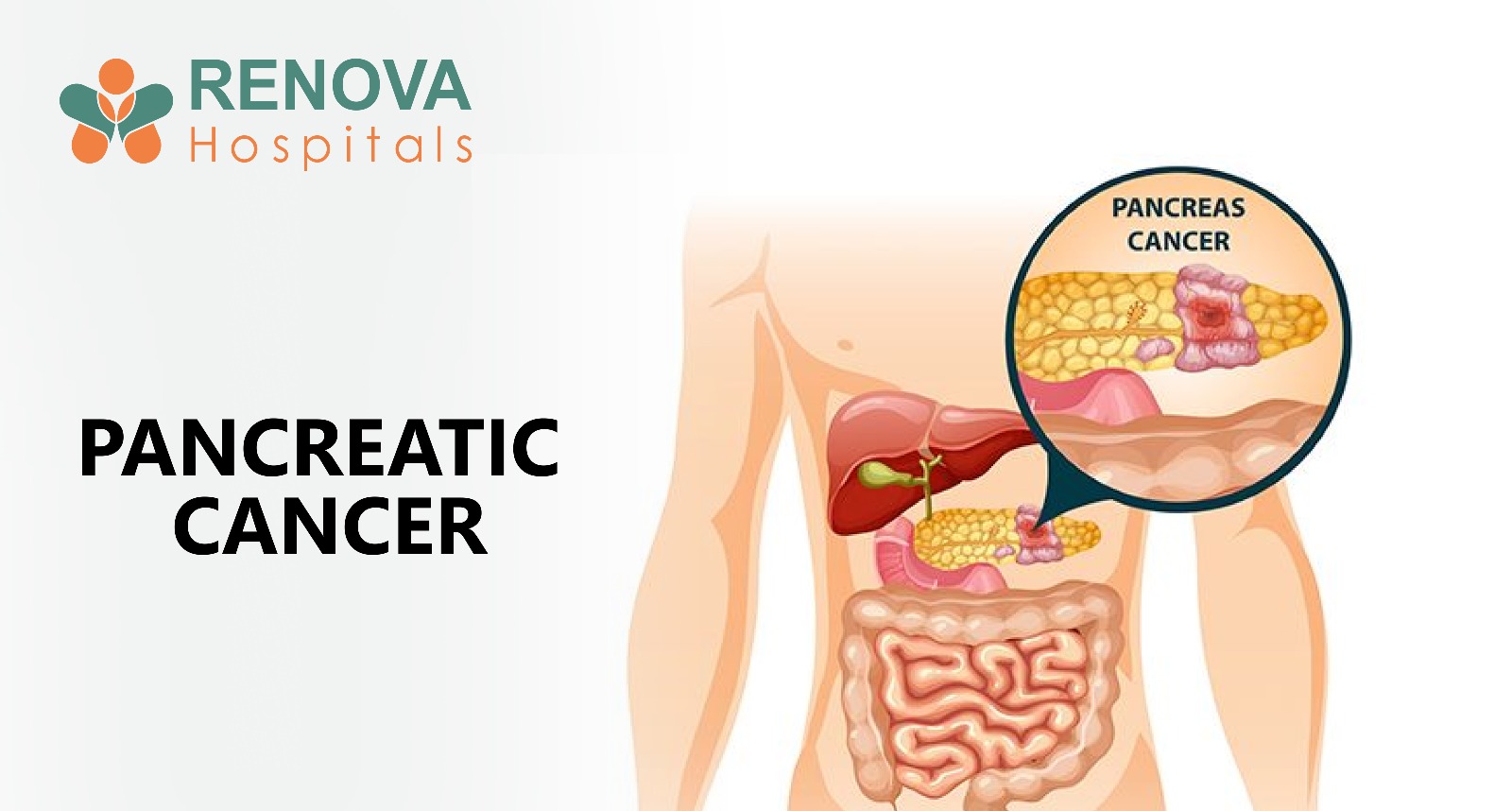
- Pancreatic cancer
Family History Red Flags
Consider discussing genetic counselling if your family history includes:
- Breast cancer before age 50
- Ovarian cancer
- Multiple relatives with cancer
- Male breast cancer
- Known BRCA mutation
Benefits of Genetic Counselling
- Personalised screening schedules
- Preventive care planning
- Better understanding of inherited risks
- Improved family health awareness
What Does a Comprehensive Women Cancer Check-Up Include?
A comprehensive women cancer check-up in India may include:
- Clinical breast examination
- Mammography
- Pap smear
- HPV testing
- Oral cancer screening
- Colon cancer risk assessment
- Family history evaluation
- Genetic counselling when indicated
The exact screening plan should be tailored to age, lifestyle, medical history, and family risk factors.
Women seeking cancer screening in Hyderabad, mammogram Hyderabad services, or a cervical screening clinic in Banjara Hills should choose a centre that offers multidisciplinary cancer expertise, advanced diagnostic facilities, and personalised preventive oncology programs.
At Renova Hospitals, women can access comprehensive screening services designed to support early detection, risk assessment, and preventive cancer care.
How Can Women Reduce Their Cancer Risk?
While screening is important, lifestyle choices also play a major role in cancer prevention.
Women should focus on:
- Maintaining a healthy body weight
- Exercising regularly
- Avoiding tobacco products
- Limiting alcohol consumption
- Eating a balanced diet
- Getting vaccinated against HPV where appropriate
- Managing chronic medical conditions
- Attending regular health check-ups
Screening and prevention work best when combined.
Look Out For Your Health Before Symptoms Appear
Many cancers do not cause noticeable symptoms until they have progressed. By prioritising regular cancer screening after the age of 35, women can detect abnormalities earlier, access treatment sooner, and improve long-term health outcomes.
The most effective cancer screening plan is one that is personalised. Whether you have a family history of cancer, specific risk factors, or simply want to take a proactive approach to your health, discussing screening options with your healthcare provider can be one of the most important preventive healthcare decisions you make.
Category
- Joint Replacement
- Joint Replacement
- Joint Replacement
- Joint Replacement
- Joint Replacement
- Joint Replacement
- Joint Replacement